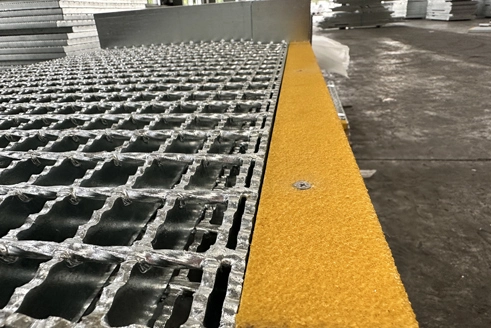
Industrial platforms, walkways, and access systems require flooring solutions that can provide reliable load support, safety, and long service life. compound steel grating has become a practical choice for many industrial projects because it combines the strength of steel grating with the additional protection of a surface plate.
Compared with traditional open grating, this structure offers better surface coverage and improved safety performance. It is widely used in industrial facilities where durability, stability, and easy maintenance are important considerations. Understanding its structure, benefits, and selection factors can help project owners choose the right grating solution.
Compound steel grating is a type of industrial flooring product that combines steel bar grating with a steel plate or other surface layer. The steel grating provides structural support and load distribution, while the additional plate creates a more complete surface.
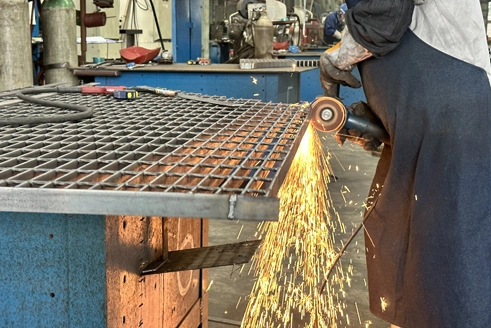
During production, the two components are fixed together to form an integrated panel. This design maintains the advantages of steel construction while improving protection against falling objects and providing a more stable working surface.
Unlike simple open grating systems, compound designs are suitable for applications where both strength and coverage are required. They are commonly used for industrial platforms, equipment areas, and maintenance walkways.
The main advantage of compound grating is its ability to balance structural performance with practical safety requirements.
The combination of steel grating and surface plate creates a reinforced structure that can support heavy loads and frequent industrial traffic. This makes it suitable for factories, power plants, and other environments where reliable flooring performance is required.
The added plate helps prevent small tools or materials from passing through the openings of traditional grating. It also provides a more stable surface for workers, especially in areas where safety is a priority.
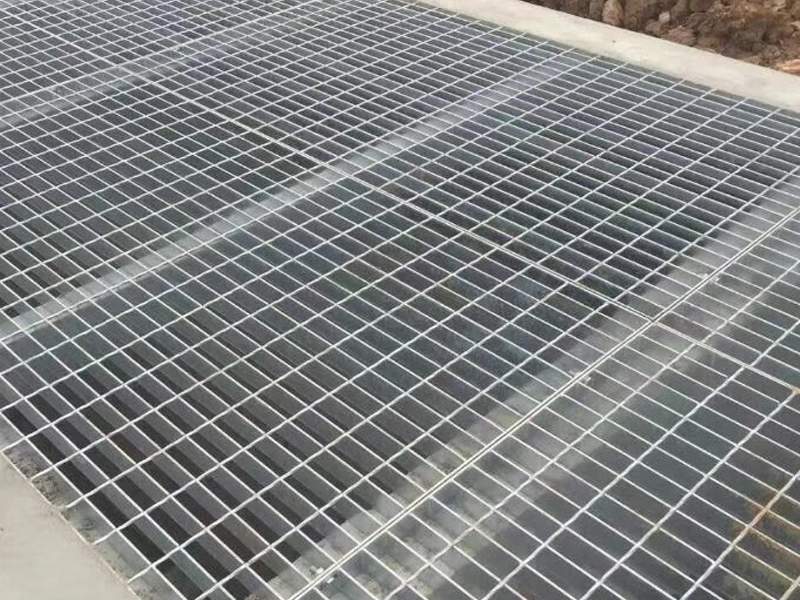
Different projects require different protection levels. For outdoor or corrosive conditions, surface treatments such as hot dip galvanized grating can improve corrosion resistance and extend service life.
Although both products are widely used in industrial applications, their structures and advantages are different.
| Feature | Compound Steel Grating | Traditional Steel Grating |
|---|---|---|
| Structure | Steel grating combined with surface plate | Open steel bar structure |
| Surface coverage | Higher protection | More open design |
| Safety performance | Reduces falling object risks | Mainly provides access support |
| Application | Heavy-duty platforms and industrial areas | Walkways and drainage systems |
Traditional steel grating is often selected for projects requiring ventilation, drainage, and lightweight structures. However, compound solutions provide additional coverage and are more suitable for applications requiring enhanced protection.
For some projects, engineers may also compare it with pressure locked steel grating, which uses a different manufacturing method to connect bearing bars and cross bars. The final selection depends on load requirements, working environment, and installation conditions.
Because of its strength and flexible design, compound steel grating is widely used in various industries, including:
Industrial platforms and maintenance walkways
Chemical and petrochemical facilities
Power plants and manufacturing plants
Offshore and heavy-duty structures
In these environments, grating systems may face heavy loads, moisture, chemicals, and outdoor exposure. Choosing suitable materials and protective treatments helps ensure stable performance throughout the product lifecycle.
Selecting the correct grating requires consideration of several factors. Load capacity should be evaluated first because different applications require different structural designs.
Other important considerations include:
Material type and corrosion protection requirements
Panel dimensions and installation conditions
Surface safety requirements
A professional supplier can help match product specifications with actual project needs, ensuring better performance and reducing future maintenance issues.
Choosing an experienced supplier is essential for maintaining product quality and project reliability. Sino-Grating provides steel grating solutions for industrial and infrastructure applications, including compound steel grating, bar grating, and customized products.
With experience in steel grating production, Sino-Grating supports projects requiring different sizes, structures, and surface finishes. The company provides solutions designed for applications such as industrial facilities, chemical plants, power projects, and other demanding environments.
By considering project conditions and selecting suitable materials, customers can achieve reliable grating performance and long-term value.
Steel is the most common material, with different coatings selected according to application requirements.
Yes. With proper surface treatment, it can be used in outdoor and industrial environments.
Load capacity depends on material thickness, structure design, spacing, and project requirements.
Compound grating combines steel grating with a surface plate, while bar grating usually has an open structure.
Yes. Products can be customized according to project specifications.
Service life depends on coating quality, environmental exposure, and maintenance conditions.
With strong load-bearing performance, improved safety, and flexible application options, compound steel grating provides an effective solution for industrial flooring and access systems. By evaluating project requirements and choosing the right supplier, companies can achieve durable and reliable performance for long-term operations.